Your cart is currently empty!
The Ultimate Guide to Feeding Your Dog: Best Food Habits and Products
Dogs, like humans, have specific nutritional requirements that change according to various factors such as age, breed, size, and health conditions. To ensure optimal health and longevity, it is essential to provide a balanced diet that includes all the necessary nutrients. Key components of a dog’s diet include proteins, carbohydrates, fats, vitamins, and minerals, each playing a vital role in your pet’s overall well-being.
Proteins are crucial for maintaining healthy muscles, skin, and coat. They are composed of amino acids, some of which are essential and must be consumed through the diet. The amount of protein required can vary significantly based on a dog’s size and activity level. Large breeds generally require more protein than smaller dogs, while active breeds need higher protein levels to support their energy expenditures.
Carbohydrates serve as a primary energy source for dogs. They are found in grains, fruits, and vegetables. While dogs can digest carbohydrates, their diet should not be excessively high in them as this can lead to obesity and other health issues. Healthy fats, particularly omega-3 and omega-6 fatty acids, are also essential as they support skin health, promote a shiny coat, and aid in brain function.
Vitamins and minerals play a supportive role and are necessary for maintaining bodily functions. Vitamins A, D, E, and K, alongside minerals such as calcium and phosphorus, contribute to bone health, immune function, and overall vitality. It’s important to adjust your pet’s dietary needs as they transition through different life stages—from puppyhood to adulthood and into their senior years—while also considering their activity levels.
Consulting with a veterinarian is advisable to create a tailored diet plan, especially for dogs with specific health conditions. A vet can help you determine the appropriate balance of nutrients based on your dog’s unique needs, ensuring they lead a healthy and fulfilling life.
Establishing Healthy Eating Habits for Your Dog
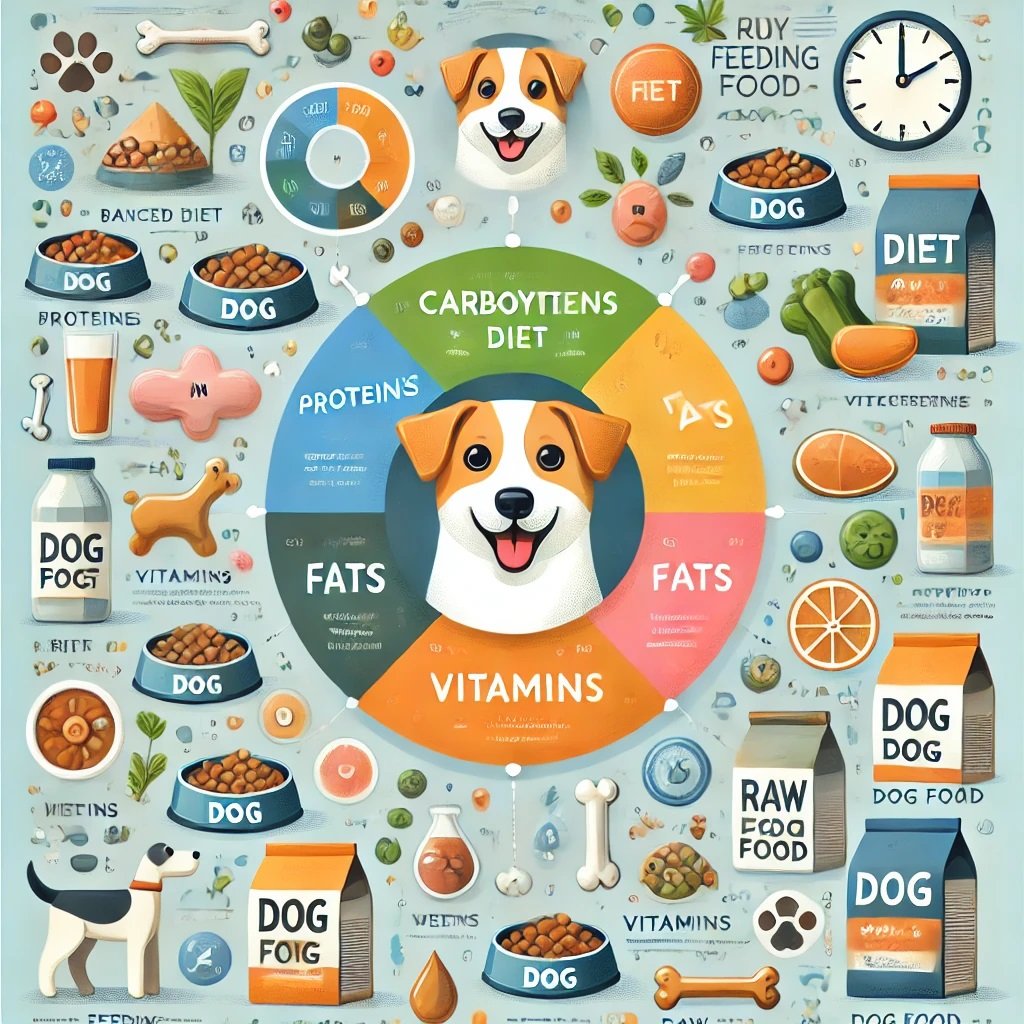
Creating healthy eating habits for your dog is essential for ensuring their overall well-being. One of the fundamental practices is to establish a regular feeding schedule. Feeding your dog at the same times each day promotes predictability and can enhance their appetite. Dogs thrive on routine, and consistent meal times can help alleviate anxiety associated with food. Aim for two to three meals daily, spreading out their food intake to prevent overeating and digestive issues.
Portion control is another critical aspect of feeding your dog. Understanding the appropriate serving size based on your dog’s age, weight, and activity level is vital. Many dog food brands provide guidelines on their packaging, which can serve as a helpful starting point. Adjusting portions according to your dog’s specific needs is essential, particularly for dogs that are less active or have a tendency to gain weight. Keeping an eye on your dog’s body condition score can help you determine whether you’re offering the right portion size.
In addition to meal schedules and portion sizes, incorporating treats must be approached thoughtfully. Treats can enhance your dog’s training experience and strengthen your bond. However, they should not constitute more than 10% of your dog’s daily caloric intake. Opt for healthy options such as fruits or vegetables to reinforce positive behavior while fostering a nutritious diet. For picky eaters, exploring different types of food, whether kibble, canned, or fresh options, may promote a more positive attitude towards meals. Gradually introducing new foods can help ease their transition and prevent refusal of meals.
In summary, establishing healthy eating habits for your dog involves implementing a regular feeding schedule, practicing portion control, and introducing treats wisely. These practices not only support your dog’s physical health but also encourage a positive relationship with food, contributing to their happiness and overall quality of life.
Choosing the Right Food Products for Your Dog
Selecting the right food for your dog is crucial for their overall health and well-being. With various options available on the market, understanding the differences between dry, wet, and raw food is essential. Dry dog food, often referred to as kibble, is convenient, shelf-stable, and helps reduce tartar buildup. On the other hand, wet food typically contains higher moisture content, which can aid in hydration and may be more palatable for dogs. Raw dog food diets have gained popularity as advocates believe they mimic a dog’s ancestral diet, though they require careful handling to avoid bacterial contamination.
When assessing dog food products, ingredient labels are pivotal. It is advisable to choose foods where a high-quality protein source, such as chicken, beef, or fish, is listed as the first ingredient. This indicates that the product has a solid base of necessary proteins which are essential for muscle development and maintenance. Be wary of fillers such as corn, wheat, and soy, which provide little nutritional benefit. Natural preservatives and the absence of artificial colors and flavors are also markers of high-quality dog food.
Additionally, look for foods that meet the standards set by the Association of American Feed Control Officials (AAFCO). This ensures that the product provides complete and balanced nutrition tailored for your dog’s specific life stage. Several reputable brands, such as Blue Buffalo, Wellness, and Orijen, are recognized for their commitment to using high-quality ingredients without unnecessary fillers.
Furthermore, it is important to consider your dog’s unique dietary needs, taking into account age, breed, and health conditions. Consulting with a veterinarian can provide personalized recommendations and help you formulate the optimal diet for your canine companion.
Tips for Transitioning Your Dog to New Food
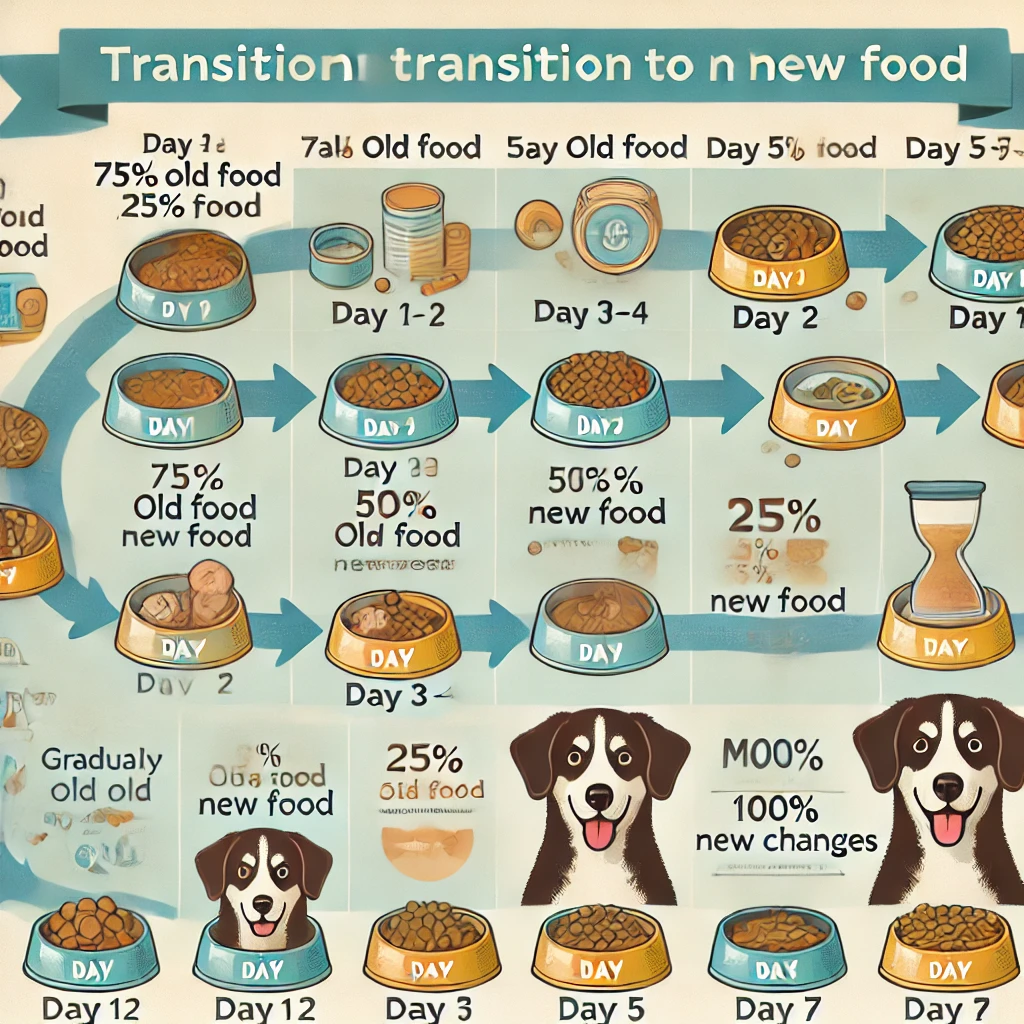
Transitioning your dog to a new food requires a careful approach to ensure their digestive system adjusts smoothly. A sudden change in diet can lead to gastrointestinal issues, such as diarrhea or vomiting, which is why gradual alterations are highly recommended. To facilitate this process, it is advisable to follow a timeline spread out over a period of seven to ten days.
Begin the transition by mixing a small amount of the new food with the existing food. A common recommendation is to start with approximately 25% new food and 75% of the current food. Over the next few days, gradually increase the proportion of new food. For instance, on days three to five, you might shift to a 50/50 ratio, and by days six to seven, you can aim for 75% new food to 25% old food. This method allows your dog’s digestive system to acclimate to the new ingredients present in the new food.
Throughout this transition phase, monitoring your dog’s health is crucial. Pay attention to any changes in behavior, appetite, or stools. If your dog exhibits signs of distress such as excessive gas, vomiting, or diarrhea, it is prudent to revert back to the previous food and consult with your veterinarian to rule out any underlying issues or potential food allergies. Keep in mind that certain dogs may require a longer adjustment period, and it’s essential to be patient and responsive to your pet’s needs.
Additionally, consider the quality of the new food and its nutritional composition, as these factors can significantly impact your dog’s overall health. Ensure the food you are transitioning to contains a balanced diet suitable for your dog’s age, breed, and activity level. By taking these steps, you can effectively manage the transition to new dog food, prioritizing both their health and well-being.
Leave a Reply